

© 2026 CSRXP- All Rights Reserved
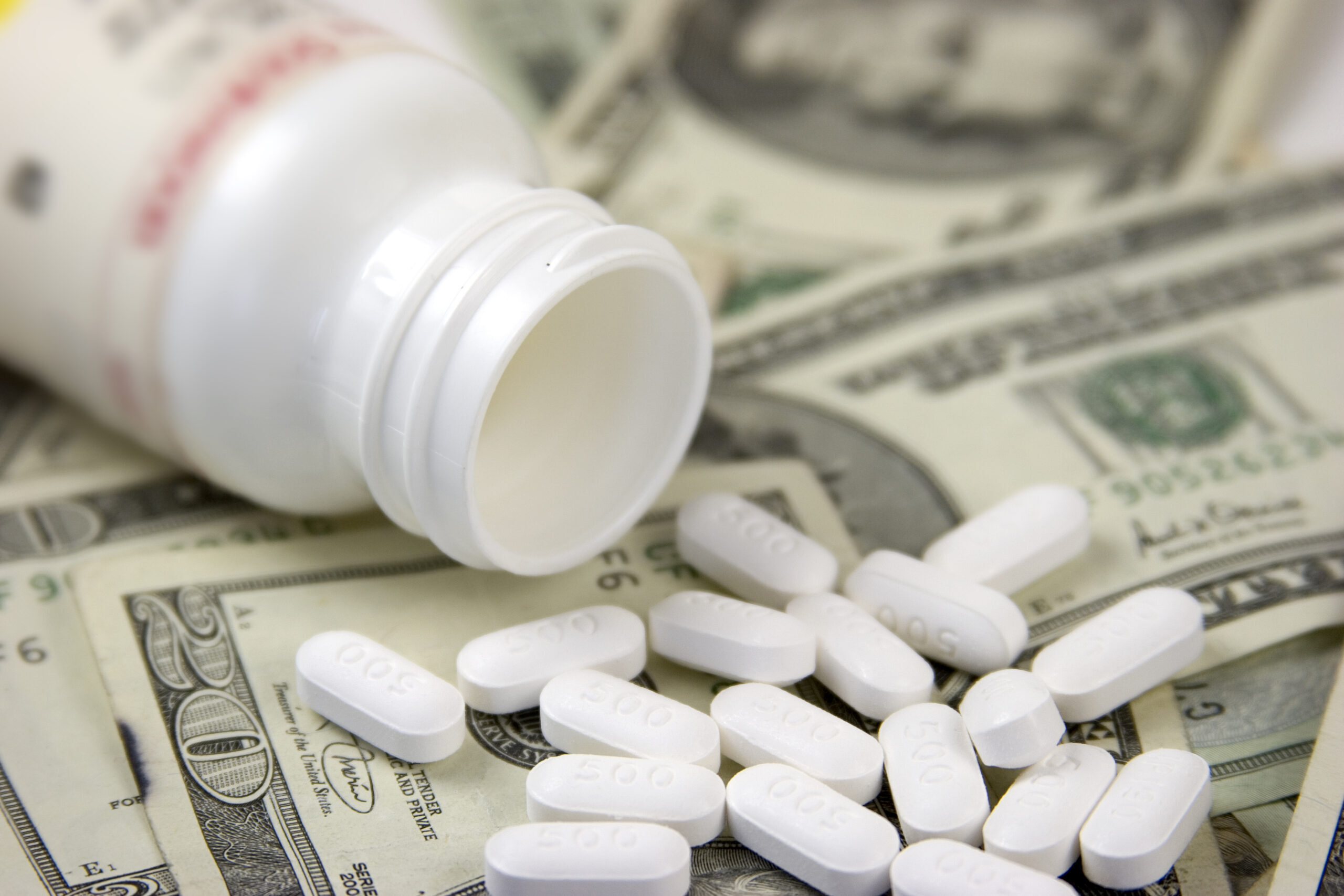
THEY SAID IT! HHS OFFICIAL: “COMPETITION IS AN INCREDIBLY EFFECTIVE TOOL TO ADDRESS HIGH DRUG PRICES”
Mar 27, 2026
Administration Touts Positive Steps to Bring More Biosimilars to Market, More Quickly — Should Back Congressional Solutions to Hold Big Pharma Accountable for Patent Abuse
In case you missed it, an op-ed in RealClearHealth authored by Gary Andres, assistant secretary for legislation at the U.S. Department of Health and Human Services (HHS), highlighted the Trump Administration’s efforts to lower prescription drug prices by fostering greater biosimilar competition. The op-ed, titled “FDA’s Biosimilar Achievement,” examines the latest actions from the U.S. Food and Drug Administration (FDA) to accelerate market entry and streamline biosimilar development.
FDA guidance issued earlier this month, recommending more efficient testing standards designed to promote and expedite biosimilar drug development, was a positive step toward increasing competition in the prescription drug market and lowering costs for patients. The guidance clarifies standards under the Biologics Price Competition and Innovation Act of 2009 (BPCI Act), removing targeted testing hurdles – a move that could significantly reduce barriers to fostering greater competition from more affordable alternatives to high-priced biologic drugs.
While generics and biosimilars are both alternatives to high-priced brand name drugs, biosimilars are alternatives for more complex, and often high-priced, biologic drugs and are not exact copies of branded drugs, like generics. As more biologics enter the prescription drug market, greater biosimilar competition is especially critical to bringing down costs for patients, taxpayers and the U.S. health care system.
Citing a 2025 study by the Association for Accessible Medicines (AAM), Andres details that “biosimilars typically enter the market at prices about 40 percent below their biologic counterparts,” and that “[a]lthough biologics account for only about five percent of prescriptions, they represent roughly half of total U.S. drug spending.”
“Competition is an incredibly effective tool to address high drug prices,” Andres explains. “For years the biosimilar pathway has resembled a narrow mountain pass—scientifically sound but clogged with regulatory boulders. The FDA has now begun clearing the road.”
Andres also underscores comments from FDA Commissioner Marty Makary in a recent Journal of the American Medical Association Viewpoint, where “Makary notes that bringing a biosimilar to market currently takes five to eight years and costs between $100 million and $300 million. The updated regulatory approach could cut as much as $150 million from development costs and shave two to four years from the process.”
Andres emphasizes, “Congress has also expressed interest in promoting greater utilization of biosimilars, including codifying many of these critical changes FDA is making and we look forward to working Congress achieving this objective.”
The administration should build on these positive first steps to lower drug prices by fostering more competition through supporting bipartisan, market-based solutions in Congress to crack down on Big Pharma’s egregious anti-competitive tactics, particularly abuse of the U.S. patent system.
Read the full op-ed “FDA’s Biosimilar Achievement,” in RealClearHealth HERE.
Read more about how biosimilar competition lowers out-of-pocket costs for patients HERE.
Read more on solutions to hold Big Pharma accountable for anti-competitive practices HERE.
Read more on how Big Pharma games the system to block competition and keep drug prices high HERE.