

© 2026 CSRXP- All Rights Reserved
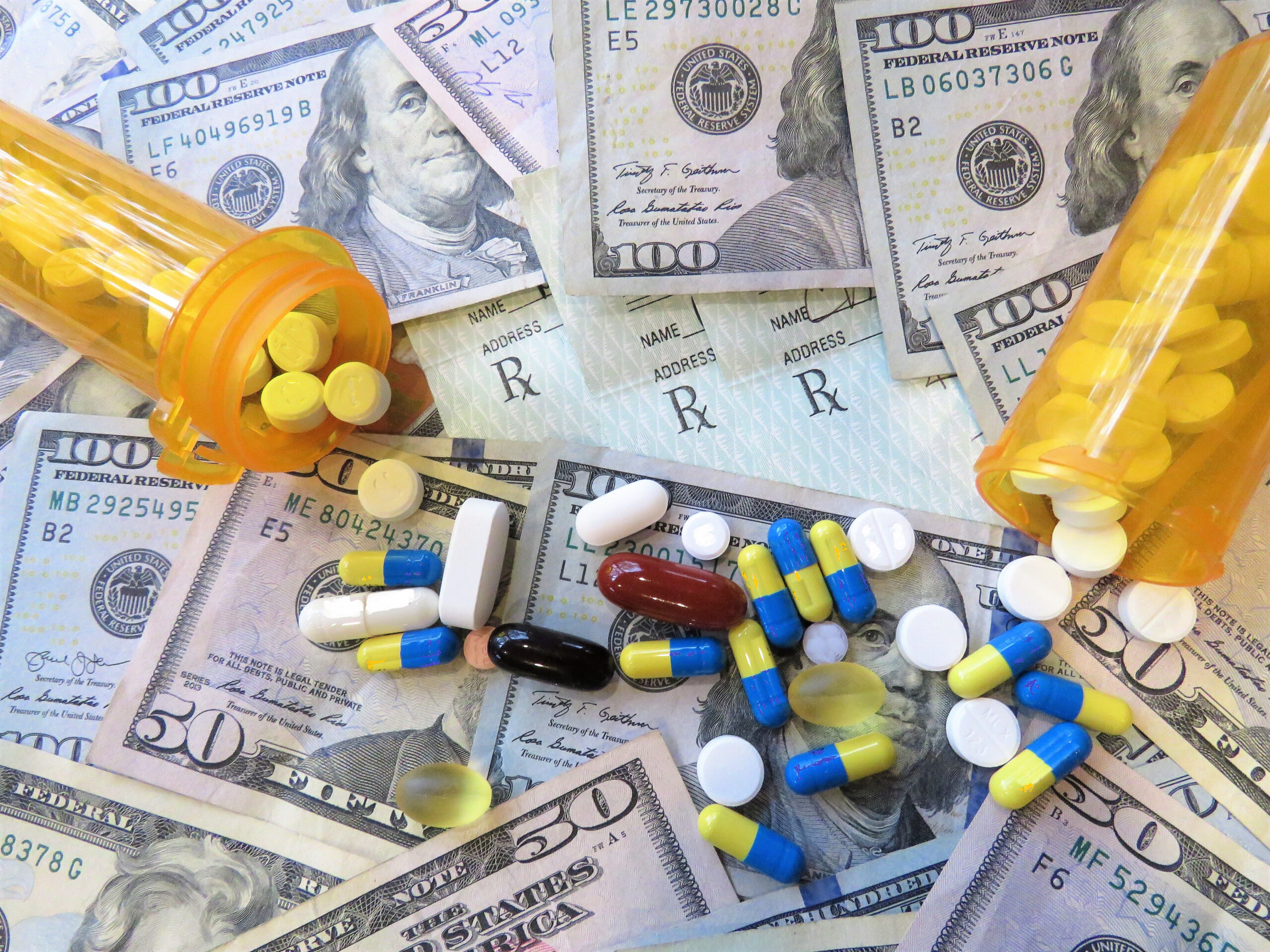
THEY SAID IT! R STREET: “RESTORING THE MARKET FOR LOWER PRICE DRUGS”
May 27, 2026
Analysis Details How Big Pharma’s Patent Abuse Delays Generic and Biosimilar Competition; Highlights Bipartisan, Market-Based Solution to Crack Down on Patent Thickets
In case you missed it, a recent analysis from R Street Institute (RSI) details how Big Pharma’s egregious abuse of the patent system is the root cause of out-of-control prescription drug prices in the United States. The analysis, “Clearing the Thicket: Restoring the Market for Lower Price Drugs,” explains how Big Pharma’s long history of price-gouging American patients through tactics designed to game the U.S. patent system and block competition from more affordable alternatives enables pharmaceutical manufacturers to maintain monopolies over their biggest money-makers.
The analysis outlines three common patent abuse tactics brand name drug companies use to extend monopoly pricing and block competition:
- Patent Thicketing: Big Pharma companies often file many, even dozens or hundreds, of patents on a single medication to extend exclusivity and block competition from more affordable options, for months, years or even decades.
- Evergreening: Drugmakers secure new, secondary patents on minor, non-therapeutic changes, such as dosage, packaging, delivery systems or manufacturing processes to extend market exclusivity and deter competition.
- Product Hopping: Big Pharma companies will make a small tweak to an existing drug, such as a new way to administer the drug or a new dosage level, then patent that change and actively market the new drug to patients. In the process, drugmakers gain a new period of exclusivity around the drug and extend the drug’s monopoly pricing.
As the analysis notes, “Drug pricing policies should encourage innovation while fostering a robust follow-on market for lower-cost generic alternatives. But increasingly, brand manufacturers are weaponizing patents to limit competition and delay entry rather than spur invention… Reform requires revisiting the laws governing the patent system to ensure it functions as intended, rewarding genuine innovation rather than simply protecting monopoly rents.”
The analysis also outlines case studies in Big Pharma’s patent abuse, including AbbVie’s blockbuster rheumatoid arthritis drug, Humira: “Once the world’s best-selling drug, Humira generated $16 billion in net revenues from U.S. sales alone in 2020. With this sales volume, even a one-month extension of exclusivity can generate $1.33 billion in net revenues… The experience with Humira is a prime example of how patent thickets work. Its manufacturer, AbbVie, built a wall of 132 patents around the drug, extending its market exclusivity and delaying biosimilar competitors in the United States until 2023, five years after biosimilars arrived in Europe.”
According to the analysis, “patents are being used for monetization rather than innovation with patent holders using the law to extend exclusivity and entrench monopoly power,” and for pharmaceuticals, that means “higher prices for patients and taxpayers and increased costs for public-health programs.”
By cracking down on Big Pharma patent abuse, Congress can foster greater competition and lower drug prices. The R Street analysis highlights a bipartisan, market-based solution introduced in both the U.S. House and U.S. Senate designed to tackle these abuses – the Eliminating Thickets to Increase Competition (ETHIC) Act.
According to R Street’s analysis, the ETHIC Act, “would limit these practices to encourage greater competition by biosimilars and generics. Importantly, the act still allows a brand manufacturer to protect its primary patents, but it limits the ability to continue litigation with less innovative follow-on patents.”
Congress and the Administration must work together to lower drug prices by fostering competition, strengthening oversight of the U.S. patent system and curbing the pharmaceutical industry’s egregious anti‑competitive tactics with bipartisan, market-based solutions.
Read the full R Street analysis HERE.
Read more about the ETHIC Act HERE.
Read more on how Big Pharma is responsible for high prescription drug prices and health care inflation in the United States HERE.
Read more on bipartisan, market-based solutions to hold Big Pharma accountable HERE.